
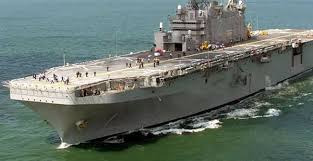
For decades, the U.S. Navy relied heavily on amphibious warships to transport Marines, equipment, and landing craft into combat zones. While these ships played a critical role in American military operations, many of them were constructed with large amounts of asbestos-containing materials. As a result, thousands of sailors and Marines who served aboard these vessels unknowingly faced significant health risks.
This beginner-friendly guide explains why asbestos was used, how exposure happened, who was most at risk, and what veterans can do today if they believe their illness is connected to their service.
What Is Asbestos and Why Was It Used on Navy Ships?
Before the dangers of asbestos became widely known, it was considered one of the best industrial materials in the world. The Navy valued it because it offered:
- High heat resistance
- Fireproofing
- Durability in harsh environments
- Low cost for mass production
These qualities made it almost unavoidable in ship construction. From World War II through the late 1970s, nearly all military vessels—including amphibious warships—were built with asbestos insulation, protective coatings, and durable parts.
Amphibious ships needed extremely powerful engines, boilers, and steam systems to carry troops and equipment. These produced intense heat, and asbestos was the cheapest and safest-known material to manage that heat. As a result, it appeared in hundreds of components throughout the ship.
Where Was Asbestos Found on Amphibious Warships?
Asbestos wasn’t limited to one part of the vessel—it was used throughout nearly every compartment. Some of the most common areas included:
1. Engine Rooms and Boiler Rooms
These spaces often contained the highest levels of asbestos exposure. Materials included:
- Pipe insulation
- Boiler lagging
- Gaskets
- Heat shields
- Turbine insulation
Sailors who worked in these areas regularly disturbed asbestos fibers during maintenance.
2. Pump Rooms and Mechanical Spaces
Amphibious warships required heavy machinery to operate landing craft, ballast tanks, and cargo systems. These machines used asbestos for:
- Valve packing
- Pump insulation
- Friction components
Even minor repairs could release fibers into the air.
3. Electrical Workspaces
Electricians were exposed through:
- Asbestos-coated wiring
- Switchboards
- Circuit insulation
- Electrical panel materials
In older ships, deteriorating insulation increased risk.
4. Living Quarters and Common Areas
Many sailors assume asbestos was only in machinery spaces. However, amphibious ships often had:
- Asbestos floor tiles
- Fireproof wall panels
- Ceiling insulation
- Paints and adhesives containing asbestos
Disturbed materials during upgrades or storms could release fibers without warning.
5. Shipyards and Overhauls
Some of the highest exposure levels occurred during repairs, dry-dock periods, and shipyard maintenance. Workers removed old insulation, replaced boilers, and scraped paint—activities that released massive amounts of airborne asbestos.
How Exposure Happened on Amphibious Ships
Asbestos becomes dangerous when its fibers are inhaled. On a ship, this occurred through:
Routine Maintenance
Cutting, sanding, grinding, or replacing asbestos-containing parts created clouds of dust.
Aging Materials
Over time, insulation and coatings broke down, especially in hot or vibration-heavy areas.
Shipboard Damage
Heavy seas, combat operations, collisions, and routine wear caused asbestos materials to crack or crumble.
Poor Ventilation
The confined spaces of amphibious ships allowed fibers to stay in the air for long periods.
Contaminated Clothing
Sailors often carried fibers on their uniforms, unintentionally bringing asbestos into sleeping areas and mess decks.
Health Risks Associated with Asbestos Exposure
The most serious risk associated with long-term asbestos exposure is mesothelioma, a rare and aggressive cancer affecting the lining of the lungs or abdomen. Some other conditions include:
1. Mesothelioma
This cancer may develop 20–50 years after exposure. Symptoms include chest pain, shortness of breath, and chronic coughing.
2. Lung Cancer
Asbestos significantly increases lung cancer risk, especially in veterans who also smoked.
3. Asbestosis
A chronic lung disease caused by inhaling asbestos fibers; it leads to scarring of lung tissue.
4. Pleural Plaques and Thickening
These do not always cause illness but are strong evidence of past exposure.
Why Navy Veterans Have Higher Risk
Navy personnel historically have some of the highest asbestos-related disease rates of all military branches because ships relied more heavily on asbestos than any other environment.
Which Amphibious Warships Used Asbestos?
Most U.S. Navy amphibious ships built before the early 1980s contained asbestos. These included:
- Amphibious assault ships (LHA, LHD, LPH)
- Amphibious transport docks (LPD)
- Landing ship docks (LSD)
- Landing ship tanks (LST)
- Landing craft support vessels (LCS/LCT)
While not every vessel had the same amount, nearly all contained asbestos insulation, gaskets, adhesives, and other components.
Who Was Most at Risk on These Ships?
Although everyone on the ship was potentially exposed, certain roles were especially vulnerable:
- Boiler technicians
- Machinist’s mates
- Hull maintenance technicians
- Electrician’s mates
- Pipefitters
- Welders
- Damage controlmen
- Shipyard workers
- Marines embarked during transport or operations
These jobs frequently disturbed asbestos-containing materials, often without proper protective equipment.
How Veterans Can Get Help Today
If you or someone you know served on an amphibious warship and later developed an asbestos-related illness, several options exist:
1. VA Disability Benefits
The Department of Veterans Affairs recognizes asbestos exposure as a potential service-connected hazard. Veterans may qualify for:
- Monthly disability compensation
- Surviving spouse benefits
- Medical care through the VA
2. Asbestos Trust Claims
Many companies that produced asbestos products used on Navy ships have established trust funds for victims.
3. Legal Assistance
Veterans can file claims against manufacturers, not the military. This does not affect military pensions or VA benefits.
4. Free Ship Exposure Records
Many veteran support organizations can help veterans identify whether their specific ship contained asbestos.
Protecting Your Health Today
If you believe you were exposed on an amphibious warship, you should:
- Speak with your doctor about your service history
- Request screenings for lung health
- Monitor symptoms such as persistent chest pain, fluid buildup, or difficulty breathing
- Keep documentation of your military service and ship assignments
Early detection greatly improves outcomes for asbestos-related diseases.
Conclusion
Asbestos exposure on amphibious warships remains a serious issue affecting thousands of Navy veterans. These ships relied heavily on asbestos insulation, electrical components, and fireproofing materials, resulting in widespread exposure from the 1940s through the 1980s.
By understanding where asbestos was used, how exposure happened, and what health risks exist, veterans and their families can take informed steps toward medical care, documentation, and compensation.
If you or someone you know served on one of these vessels, exploring your options today may help protect your health and secure the benefits you deserve.
