
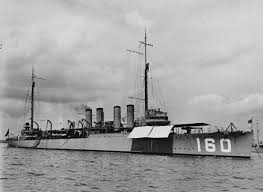
For decades, U.S. Navy ships were seen as symbols of strength, innovation, and national security. But behind the steel, engines, and powerful weapons, there was a hidden threat built into the very structure of these vessels—asbestos. Today, one of the least understood but most serious risks faced by former sailors is asbestos on amphibious warships, especially those constructed between the 1930s and the early 1980s.
This beginner-friendly guide explains what asbestos is, why the Navy used it, how exposure happened on amphibious ships, which ship types were most affected, health dangers veterans face today, and what steps they can take if they believe they’ve been exposed.
1. Why Asbestos Was Used on Navy Amphibious Warships
During the 20th century, asbestos was considered a miracle mineral. It was cheap, strong, flexible, long-lasting, and—most importantly—highly heat resistant. These properties made it ideal for military shipbuilding.
Key reasons the Navy depended heavily on asbestos:
1. Heat Protection
Engine rooms, boiler rooms, and steam systems operated at dangerously high temperatures. Asbestos insulation on ships prevented fires and kept machinery functioning safely.
2. Fireproofing
Amphibious assault ships carried fuel, ammunition, and equipment. Asbestos-containing materials helped decrease the risk of onboard fires.
3. Durability and Longevity
Navy vessels needed materials that could survive intense conditions—saltwater, humidity, high pressure, and heavy use. Asbestos fit all these needs.
4. Cost and Availability
During wartime production, asbestos was affordable and widely available, allowing the Navy to build ships quickly and at scale.
Because of these factors, asbestos was woven into hundreds of components across amphibious warships, from the engine room to the living quarters.
2. What Types of Amphibious Warships Contained Asbestos?
Asbestos appeared across nearly all ship categories, but amphibious vessels were especially vulnerable because they were built during the peak asbestos-usage era.
These ship types contained asbestos:
• Amphibious assault ships (LHA/LHD)
Designed for launching helicopters, landing craft, and Marines—filled with boilers, engines, pumps, and insulated compartments.
• Landing Platform Docks (LPDs)
Used for transporting Marines and equipment. Their machinery spaces had extensive asbestos insulation.
• Landing Ships, Tank (LSTs)
Earlier designs (WWII and Korean War era) relied heavily on asbestos for gaskets, adhesives, floor tiles, and engine insulation.
• Landing Ship Docks (LSDs)
These ships had large mechanical areas with asbestos fireproofing, insulation, and wiring.
• Attack transports (APAs)
Used in World War II and Vietnam—many built almost entirely with asbestos-containing materials.
More than 570 amphibious warships are documented to have used asbestos. Because these ships were active for decades, even sailors serving in the 1970s and early 1980s were exposed to toxic fibers.
3. Where Asbestos Was Found on Amphibious Warships
A common misconception is that asbestos was used only in engine and boiler rooms. In reality, asbestos exposure in Navy ships occurred in virtually every part of the vessel.
High-exposure areas included:
- Engine rooms
- Boiler rooms
- Pump rooms
- Turbine and exhaust systems
- Steam pipes running through corridors
- Insulated bulkheads
- Electrical wiring insulation
- Fireproofing materials
- Damage control equipment
Surprising areas where crew members encountered asbestos:
- Sleeping quarters
- Mess halls
- Galleys
- Medical rooms
- Below-deck storage rooms
- Deck tiles and adhesives
Because amphibious ships were crowded and poorly ventilated, asbestos fibers—once disturbed—floated through the air and settled in common spaces. Even sailors who never worked with machinery experienced exposure.
4. How Asbestos Exposure Occurred on Navy Vessels
Exposure didn’t require direct contact with insulation or machinery. Any movement, vibration, repair work, or damage could release fibers.
Major exposure activities included:
- Scraping or replacing asbestos gaskets
- Cutting or sanding asbestos insulation
- Repairing damaged pipes
- Working in engine or boiler rooms
- Shipyard repairs and overhauls
- Fighting onboard fires
- Normal wear-and-tear of insulation over time
Shipyard asbestos hazards were particularly severe. During maintenance periods, workers stripped, cut, and reapplied asbestos materials—creating thick clouds of airborne fibers that spread across the ship.
Many sailors inhaled asbestos unknowingly. The danger was invisible, odorless, and impossible to detect without specialized equipment.
5. The Long-Term Health Risks for Navy Veterans
Asbestos exposure does not cause immediate symptoms. Instead, diseases develop slowly, often taking 20–50 years to appear. This is why many Navy veterans today are only now being diagnosed.
The main asbestos-related diseases include:
1. Mesothelioma
A rare, aggressive cancer affecting the lining of the lungs or abdomen. Navy veterans have one of the highest mesothelioma rates in the U.S.
2. Asbestosis
A chronic lung disease caused by inhaling asbestos fibers. It leads to scarring and severe breathing difficulty.
3. Lung Cancer
Especially dangerous when combined with smoking history.
4. Pleural Plaques and Thickening
Non-cancerous but painful lung and chest issues caused by asbestos fiber scarring.
Thousands of veterans have suffered from these conditions due to toxic exposure on Navy vessels—even if their service seemed harmless at the time.
6. Why Amphibious Ship Veterans Face Higher Risks
Amphibious warships were compact, crowded vessels with poorly ventilated lower decks. This meant airborne asbestos fibers could move freely between compartments.
Factors that increased risk:
- Smaller passageways
- Heavy machinery and heat systems
- Frequent refurbishment and repair cycles
- Long deployments at sea
- Sleeping quarters close to mechanical rooms
- Constant vibration releasing fibers
Even Marines transported on amphibious ships during deployments experienced exposure.
7. Navy Ship Safety History: When Did the Military Stop Using Asbestos?
The Navy officially reduced asbestos usage in the early 1980s after federal regulations highlighted health dangers. However:
- Older ships stayed in service for decades
- Shipyards continued repairing asbestos systems for years
- Complete removal was extremely difficult
As a result, veterans who served before 1990 on amphibious warships are considered at significant risk for asbestos-related diseases.
8. What Veterans Can Do Today
Any veteran who served aboard amphibious ships—especially before the 1990s—should protect their health and legal rights.
Step 1: Schedule a Medical Exam
Tell your doctor you may have been exposed to asbestos. Early detection saves lives.
Step 2: Check Eligibility for Veterans’ Benefits
Veterans with mesothelioma, asbestosis, or lung cancer caused by service exposure may qualify for:
- VA disability compensation
- Special monthly compensation
- VA healthcare
- Dependency and Indemnity Compensation (for surviving families)
Step 3: Consider Filing an Asbestos Claim
This is not a lawsuit against the Navy, but rather a claim against manufacturers who supplied asbestos products.
9. Final Thoughts: Protecting Veterans Through Awareness
The presence of asbestos on amphibious warships is one of the most overlooked health crises affecting U.S. Navy veterans. Because these ships were built during decades when asbestos was widely viewed as safe, sailors unknowingly carried out their duties surrounded by toxic fibers.
Many veterans today live with asbestos-related diseases that could have been prevented with better information and safer materials. By raising awareness—through blogs, articles, and education—we help ensure veterans get the medical care, compensation, and recognition they deserve.
