- Unhappy Marriage? 7 Proven Alternatives to Divorce Before Making a Life-Changing Decision
Feeling Trapped in an Unhappy Marriage? You’re Not Alone There are few experiences more emotionally exhausting than waking up every day beside someone you once loved deeply and wondering whether your marriage can survive. Perhaps the conversations have become shallow. The affection feels forced. The conflicts repeat endlessly without resolution. Maybe
- Why Are Mothers Abusive to Daughters? Understanding the Hidden Roots of Toxic Mother-Daughter Relationships
A mother is often portrayed as a child’s safest place—a source of comfort, guidance, protection, and unconditional love. Society celebrates motherhood as one of the purest forms of human connection. Yet for many women, the reality of their relationship with their mother feels dramatically different. Instead of feeling supported, they feel
- How to Build a Healthy Relationship After a Toxic One: A Complete Guide to Healing, Trust, and Lasting Love
When Love Leaves Scars Leaving a toxic relationship is often portrayed as the finish line of a painful chapter. In reality, it’s usually the beginning of a much deeper journey. Many people assume that once they walk away from a toxic partner, healing will naturally follow. Unfortunately, emotional wounds don’t disappear
- How to Leave a Toxic Relationship and Reclaim Your Life: The Complete Guide to Breaking Free
Table of Contents How to Leave a Toxic Relationship and Reclaim Your Life: The Complete Guide to Breaking Free Leaving a toxic relationship is one of the most difficult decisions a person can make. Even when the relationship causes emotional pain, anxiety, self-doubt, or constant stress, many people remain stuck for
- Dad-Daughter Conflict Resolution: How Fathers Can Navigate Disagreements Without Damaging Trust
Conflict is often viewed as a sign that something is wrong in a relationship. Many fathers worry that arguments with their daughters indicate a growing emotional distance, rebellion, or a breakdown in communication. Yet the truth is that disagreement is not the enemy of a healthy relationship. Unresolved conflict is. Every
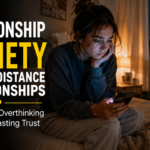
- Relationship Anxiety in Long-Distance Relationships: The Complete Guide to Building Trust, Managing Overthinking, and Strengthening Your Connection
Why Long-Distance Relationships Feel So Emotionally Intense Long-distance relationships can be deeply rewarding, but they can also bring unique emotional challenges that many couples never anticipate. When you love someone who lives hours, states, or even countries away, your relationship naturally relies more heavily on trust, communication, and emotional resilience. Without
- Fear of Intimacy: Hidden Signs, Root Causes, and Proven Ways to Build Deeper Relationships
Have you ever wanted a close relationship but found yourself pulling away when someone gets too close? Do you struggle to open up emotionally, avoid vulnerability, or feel uncomfortable when a relationship becomes serious? If so, you may be experiencing a fear of intimacy. Fear of intimacy is more common than
- Relationship Anxiety: Why Your Marriage May Be Triggering Anxiety Attacks (And What You Can Do About It)
Part 1: Understanding Relationship Anxiety and Its Hidden Impact on Mental Health Introduction Relationships are often portrayed as sources of comfort, security, and emotional support. While healthy partnerships can provide these benefits, not every relationship creates emotional stability. In some cases, ongoing conflict, communication issues, unresolved resentment, or emotional disconnection can
- Why You Can’t Stop Overthinking Your Relationship: The Psychology of Relationship Anxiety and How to Break Free
Introduction Do you constantly analyze every text message your partner sends? Do you find yourself questioning whether you’re in the right relationship, even when nothing is obviously wrong? Maybe you replay conversations repeatedly, searching for hidden meanings. Perhaps you compare your relationship to others and wonder whether your feelings are “strong
- Trauma Bonding vs. Love: How to Recognize the Difference and Reclaim Your Emotional Freedom
Table of Contents When Love Feels Confusing Many people describe love as intense, passionate, and sometimes even painful. Popular culture often romanticizes emotional extremes, portraying jealousy as devotion, obsession as passion, and suffering as proof of commitment. As a result, it can become difficult to distinguish genuine love from unhealthy attachment.
 Feeling Trapped in an Unhappy Marriage? You’re Not Alone There are few experiences more emotionally exhausting than waking up every day beside someone you once loved deeply and wondering whether your marriage can survive. Perhaps the conversations have become shallow. The affection feels forced. The conflicts repeat endlessly without resolution. Maybe