
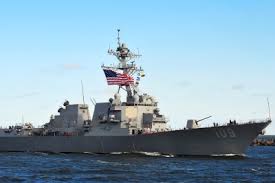
For much of the 20th century, asbestos was widely used on U.S. Navy ships because it was cheap, strong, and highly heat-resistant. From the 1930s to the late 1970s, thousands of vessels were built with asbestos insulation in engine rooms, boilers, pipe systems, pumps, gaskets, and even deck materials. Unfortunately, this created long-term health risks for sailors and shipyard workers. Today, many veterans are still being diagnosed with mesothelioma, lung cancer, and other asbestos-related diseases decades after their service.
This beginner-friendly guide explains which U.S. Navy ships contained asbestos, why exposure happened, and how veterans can seek help. If you or a loved one served on any pre-1980 vessel, this information is essential.
Why the Navy Used So Much Asbestos
Before modern safety standards, asbestos was considered a “miracle material.” It was used in nearly every section of a naval vessel, especially areas that needed fire protection. Key reasons included:
1. Fireproofing and Heat Resistance
Navy ships operated with high-temperature equipment such as boilers, turbines, and engines. Asbestos could withstand extreme heat and reduce fire risks.
2. Cost-Effective and Easy to Use
Shipbuilders used asbestos to wrap pipes, insulate walls, and line engine systems because it was inexpensive and widely available.
3. Required for Military Durability
Ships needed long-lasting materials capable of handling harsh conditions at sea. Asbestos offered durability and resistance to corrosion.
Because of these factors, asbestos was integrated into thousands of ship components—sometimes in hundreds of locations on a single ship.
How Exposure Happened on Navy Ships
Many sailors worked in tight, poorly ventilated spaces where asbestos fibers could easily become airborne. Exposure commonly happened during:
- pipe repair or insulation maintenance
- boiler cleaning and engine work
- replacing gaskets, brakes, or valves
- sanding or disturbing old deck tiles
- cutting or drilling asbestos-containing parts
Even veterans who never worked in engine rooms could be exposed through secondhand dust circulating inside the ship.
List of U.S. Navy Ships With Asbestos Exposure
Below is a simplified, beginner-friendly list grouped by ship category. These examples are widely documented in asbestos exposure claims and historical shipbuilding records. Nearly all pre-1980 ships carried asbestos materials.
1. Aircraft Carriers With Asbestos
Aircraft carriers required massive insulation for engines, aviation fuel systems, and boiler rooms. Well-known carriers with asbestos include:
- USS Enterprise (CVN-65)
- USS Nimitz (CVN-68)
- USS Carl Vinson (CVN-70)
- USS Abraham Lincoln (CVN-72)
- USS Saratoga (CV-60)
- USS Forrestal (CV-59)
- USS America (CV-66)
- USS Midway (CV-41)
These carriers used asbestos in fireproof walls, steam pipes, turbine insulation, deck tiles, and pump systems.
2. Destroyers and Destroyer Escorts
Destroyers were compact ships with dense machinery spaces—making asbestos exposure especially common. Examples include:
- USS Bainbridge (DDG-96)
- USS Benner (DD-807)
- USS Spruance (DD-963)
- USS Stark (FFG-31)
- USS Knox (FF-1052)
- USS Johnston (DD-557)
Engine rooms, ammunition storage areas, and ventilation systems often contained asbestos.
3. Submarines With Asbestos Exposure
Submarines had extremely confined machine spaces where asbestos insulation was used to prevent fires. Examples:
- USS Albacore (AGSS-569)
- USS Cavalla (SS-244)
- USS Dace (SS-247)
- USS Dogfish (SS-350)
- USS Halibut (SSGN-587)
Submarine personnel typically lived closest to asbestos heat shielding, making exposure risks high.
4. Amphibious Ships
These ships transported Marines, vehicles, and equipment. Many were heavily insulated:
- USS Anchorage (LSD-36)
- USS El Paso (LKA-117)
- USS Boxer (LHD-4)
- USS Cleveland (LPD-7)
- USS Iwo Jima (LHD-7)
Amphibious ships used asbestos-lined engine systems, boiler rooms, and pipe fittings.
5. Frigates, Cruisers, and Minesweepers
Other ship classes with known asbestos use include:
Frigates
- USS Oliver Hazard Perry (FFG-7)
- USS Badger (FF-1071)
Cruisers
- USS Alaska (CB-1)
- USS Albany (CG-10)
- USS Augusta (CA-31)
Minesweepers
- USS Avenge (AM-423)
- USS Kingfisher (MSC-195)
- USS Velocity (AM-128)
Although smaller, these vessels still used asbestos in wiring insulation, pumps, and mechanical rooms.
Why This Information Matters Today
Many veterans exposed to asbestos during service developed serious diseases later in life. The most common include:
- mesothelioma
- lung cancer
- asbestosis
- pleural thickening
Because these illnesses can take 20–50 years to appear, many Navy veterans are only now receiving diagnoses in 2025.
How Veterans Can Get Help
If you served on a ship built before 1980, you may qualify for:
1. VA Disability Benefits
The U.S. Department of Veterans Affairs recognizes asbestos-related illnesses as service-connected for Navy veterans.
2. Asbestos Trust Fund Compensation
Dozens of manufacturers who supplied asbestos-containing products to the Navy created trust funds for exposed workers and veterans.
3. Medical Assistance
Specialized medical programs exist for mesothelioma and lung disease patients, including treatment centers familiar with veteran cases.
4. Legal Consultation (Optional)
Many veterans seek legal help to access additional compensation beyond VA benefits, though this is not required.
How to Know If Your Ship Had Asbestos
Ask yourself the following:
- Was the ship built before 1980?
- Did it contain steam pipes, boilers, turbines, or insulated machinery?
- Was maintenance performed in tight mechanical spaces?
- Did you serve in a role like machinist mate, boiler technician, pipefitter, engineer, or shipyard worker?
If the answer is yes, exposure is likely.
Final Thoughts
Asbestos exposure on U.S. Navy ships is a documented historical reality affecting generations of veterans. Although the Navy eventually phased out asbestos, thousands of ships—especially those built before 1980—contained hazardous materials capable of releasing microscopic fibers into the air.
Understanding which ships were affected helps veterans recognize their risk and seek the benefits they deserve. If you served aboard any vessel listed above or on a pre-1980 Navy ship, you may be eligible for compensation, medical support, and VA benefits.
